
The Montessori Method
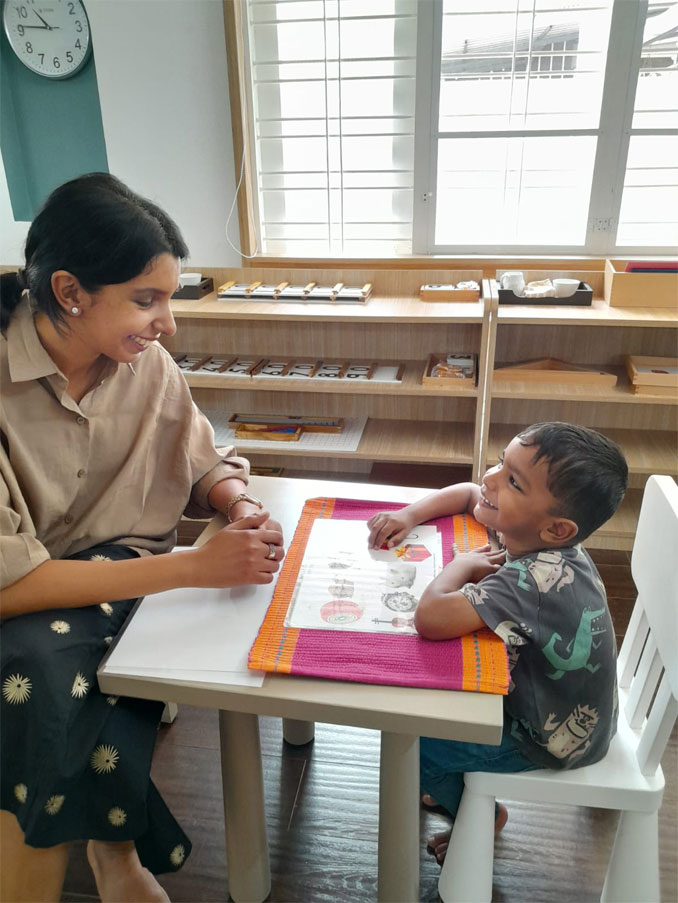
The Montessori Method is a child-centered approach to learning that recognizes each child’s unique pace, interests, and abilities. It is built on close observation of children and supported by research in child development. In a Montessori classroom, everything is purposefully arranged to encourage exploration, independence, and joyful discovery. With the gentle support of trained Montessori educators, children work with hands-on materials that help them concentrate, think deeply, and follow their natural curiosity. This approach nurtures confidence, self-discipline, and a genuine love for learning that stays with them for life.
The method was first created over a hundred years ago by Dr. Maria Montessori, whose work was rooted in a deep respect for children and a belief that they hold the potential to create a more peaceful world. Her first Children’s House opened in San Lorenzo, Italy, where she guided a small group of young children in a simple, carefully prepared space. What began as a single classroom has grown into a global movement. Today, Montessori schools can be found in more than 20,000 communities around the world, continuing her vision of meaningful, purpose-driven education.
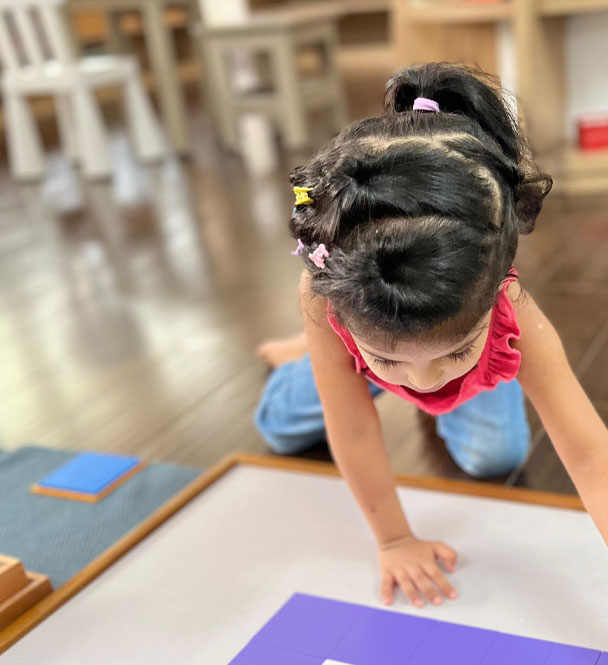
The environment is organized into five connected areas. Practical Life activities teach children everyday skills—like pouring, cleaning, and caring for themselves—while building concentration and confidence. In the Sensorial area, children explore materials that refine their senses and help them notice differences in size, shape, color, sound, and texture. Math becomes clear and joyful as children use tactile materials to explore numbers, quantities, and simple operations. The Language area supports early reading and writing through rich conversations, storytelling, and materials that connect sounds to letters. Finally, Cultural studies introduce children to geography, science, history, music, and art, helping them develop curiosity and appreciation for the wider world.
Together, these experiences create a beautiful balance of freedom, structure, and discovery—supporting each child’s natural desire to learn, grow, and become independent.
Know More on the Curriculum
Core Montessori Curriculum Areas
Practical Life
Practical Life is the foundation of Montessori education, offering children opportunities to engage in real-life tasks that build independence, coordination, and confidence. Activities such as caring for their space, preparing food, and practicing grace and courtesy help children develop strong concentration and a deep sense of responsibility. Over time, these experiences contribute to a calm, orderly approach to learning and an ability to complete tasks with pride and care.
Sensorial Education
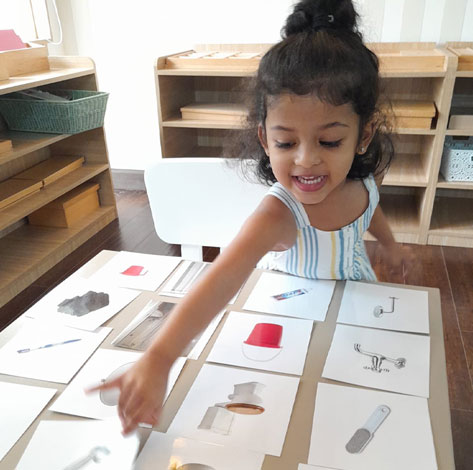
Sensorial materials help children refine their senses and understand the world through exploration, comparison, and classification. By working with beautifully designed materials that isolate specific qualities such as size, shape, color, and texture, children develop sharp observation skills and a strong foundation for logical thinking. These experiences prepare them for later work in mathematics, language, and scientific reasoning.
Language Development
Language in Montessori evolves naturally from rich conversations and storytelling to phonetic awareness, writing, and reading. Children begin by exploring sounds and symbols through tactile materials, gradually progressing to constructing words, sentences, and stories. As their literacy skills grow, they also develop expressive language, vocabulary, grammar, and comprehension, laying the groundwork for confident communication and a lasting love for reading.
Mathematic
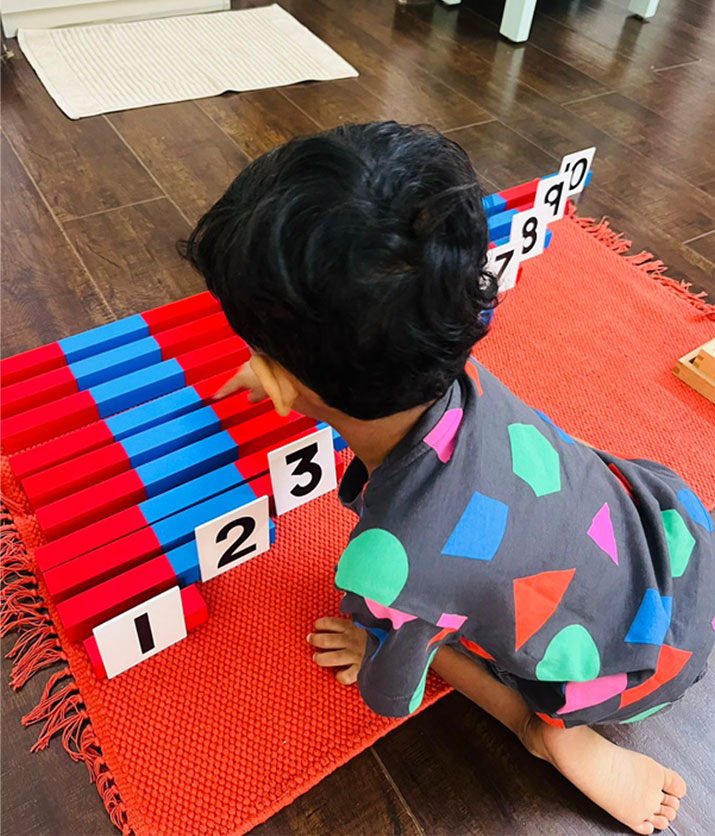
Montessori mathematics introduces abstract concepts through concrete, hands-on materials that allow children to truly understand numbers, quantity, and operations. Children first explore mathematical ideas using tactile materials before gradually progressing to more complex concepts such as place value, fractions, and geometry. This approach builds strong reasoning skills, accuracy, and a genuine appreciation for the logic and beauty of mathematics.

Culture Studies
Cultural studies open a window to the world, enabling children to explore geography, history, botany, zoology, and basic science through engaging materials and real-world observations. Children learn about continents, animals, plants, and natural phenomena, gradually developing an understanding of their connection to the wider world. These explorations encourage empathy, respect for diversity, and a lifelong sense of wonder about life on Earth.
Enrichment & Extracurricular Activities
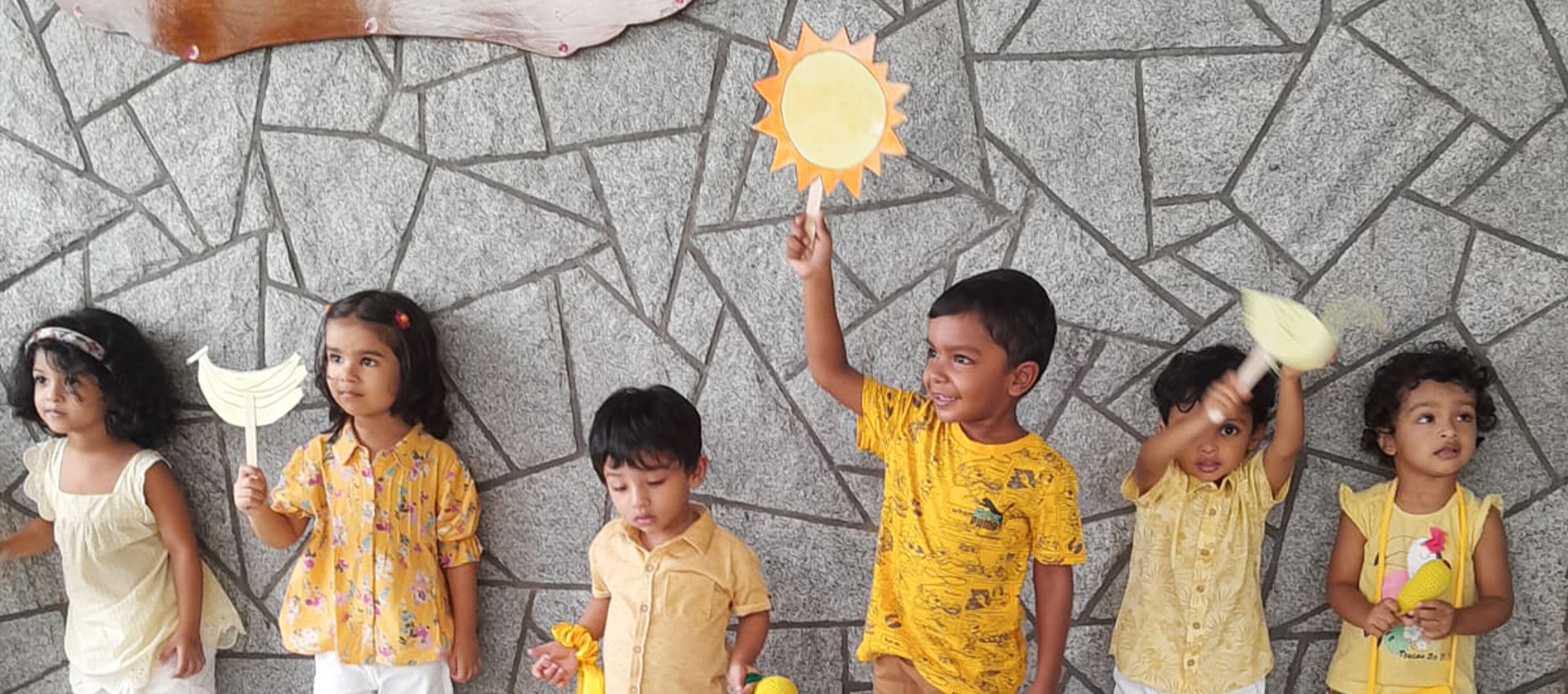
Our school offers a range of enrichment activities that complement the Montessori curriculum and support the development of the whole child. Children explore their creativity through art and craft, experimenting with colors, textures, and materials while building fine motor skills and imagination. Yoga and mindfulness sessions help children develop balance, body awareness, and emotional resilience through simple poses and breathing exercises. Handwork activities—including sewing, knitting, and cooking—foster patience, concentration, and creativity. Daily outdoor play and nature exploration encourage physical activity, social interaction, and a deep connection with the natural world.
